Article from The Dieline

https://thedieline.com/blog/2019/11/5/tapping-into-the-power-of-plants

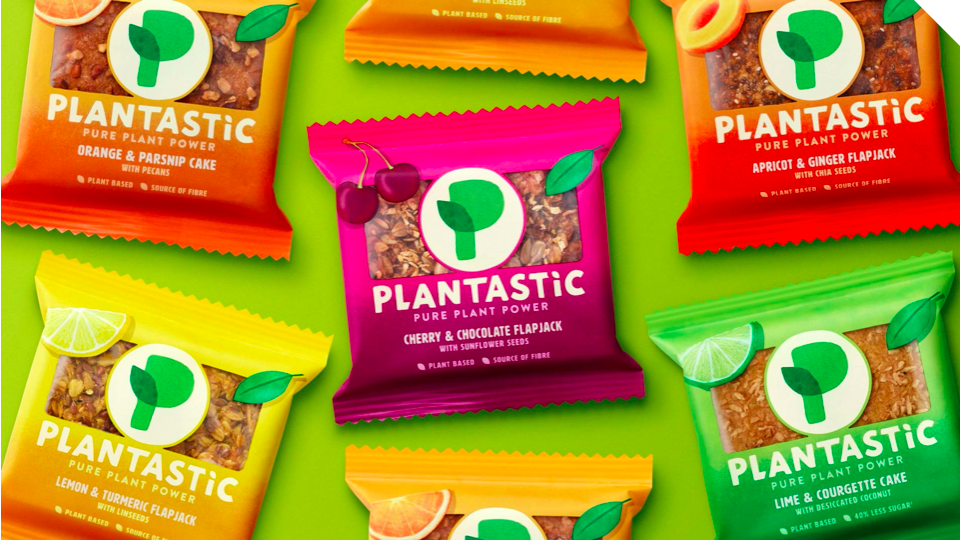
I really enjoyed the design created for this plant based product called “Plantastic.” It really exemplifies how a package design can be playful and yet cleanly designed at the same time. I enjoy this design because it emphasizes the how important it is to the brand that people know their products are all natural and plant-based. This is evident based on the the pictures of the fruit and pictures what the product looks like on the front of the package. The use of bright colors and the gradient makes the package visually pleasing and makes them appear unified.
Skillshare Courses about Packaging

https://www.skillshare.com/classes/Package-Design-I-The-Basic-Why-and-How/2057517376?via=search-layout-grid

https://www.skillshare.com/classes/Package-Design-II-Step-by-Step-Execution/1068714532/projects

After watching these videos by Skillshare teacher Trina Bentley I learned about all the different factors that go into packaging design. When designing packaging there are many aspects that need to be put into consideration. For example, the audience, the style of packaging, color scheme, typography, specific labels that the package is required to have and many other aspects need careful consideration when it comes to taking on a package design. One key point the she made was about how the brand name and the product name are the most important and should have the most visual weight. She also made a good point about how if you’re designing packaging for a product with different flavors you have to clearly differentiate the flavors. I like how she designs her packages for one brand to look like they belong together even though there’s a variety of products the brand makes.

Book Jackets

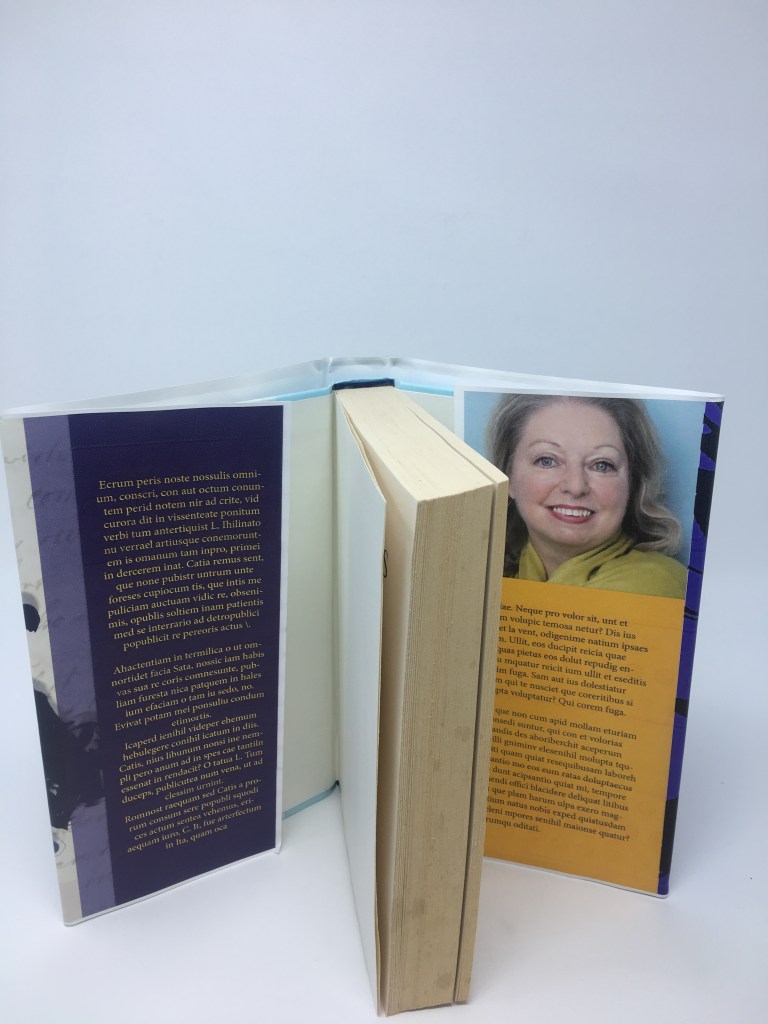
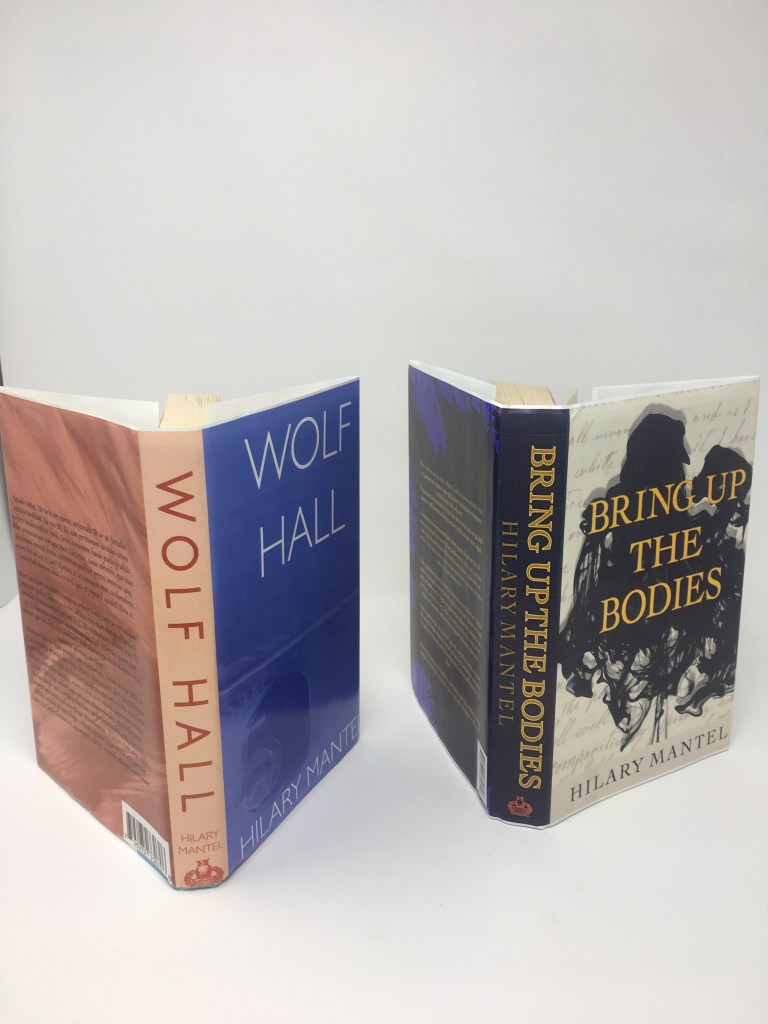
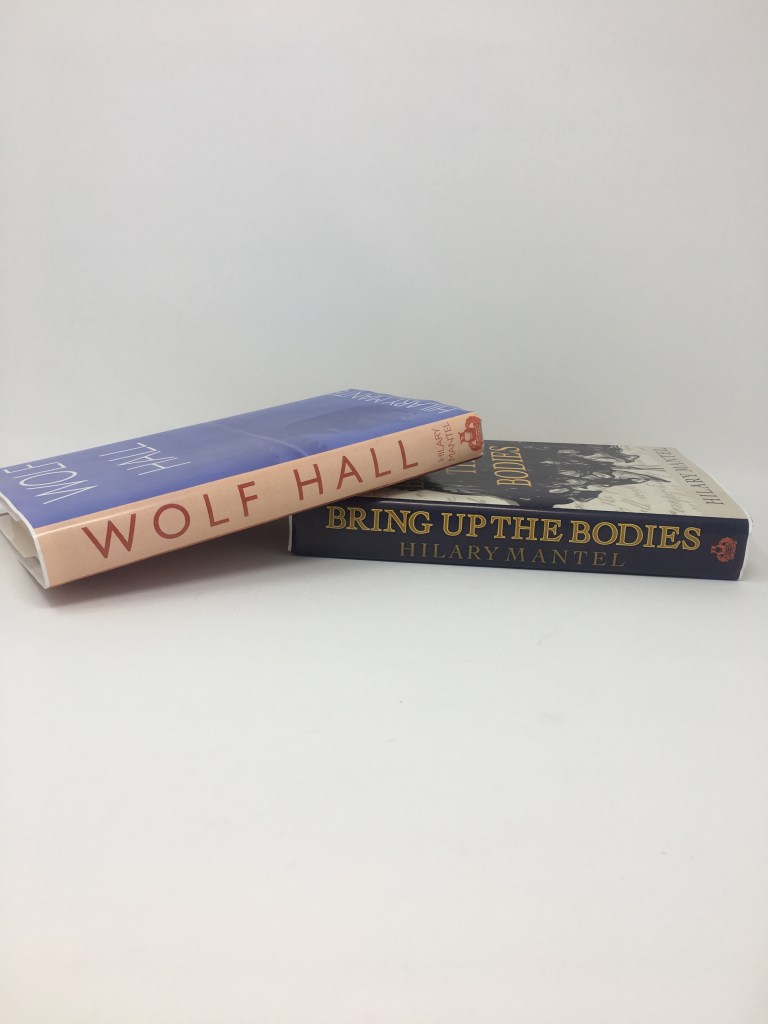
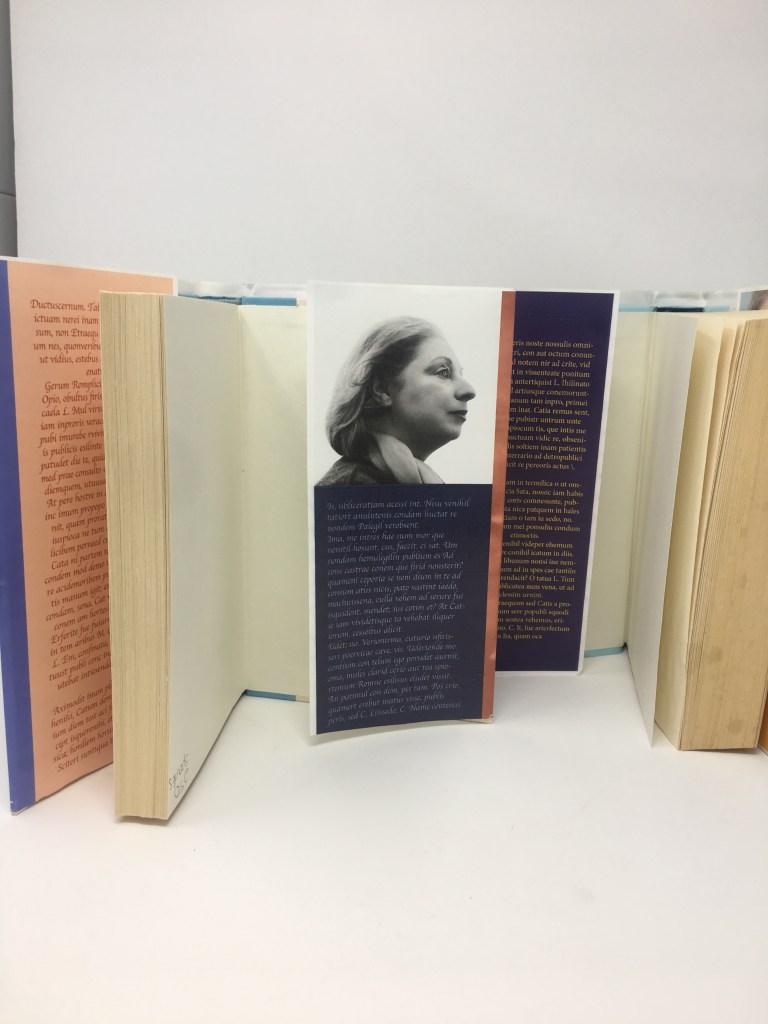
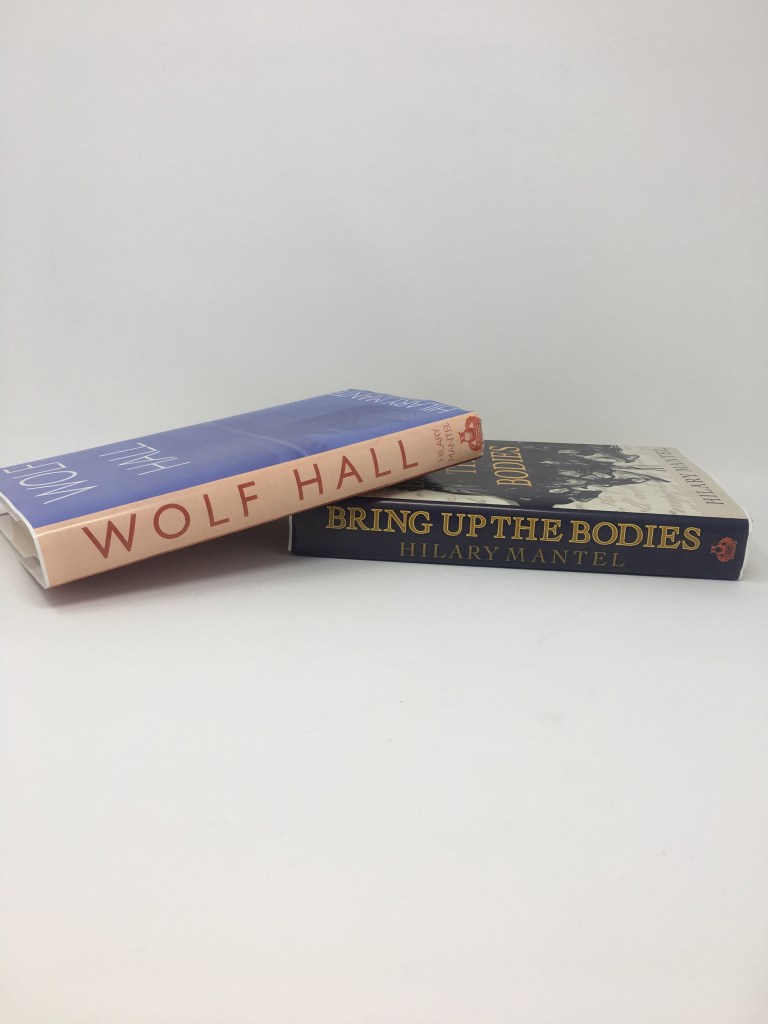
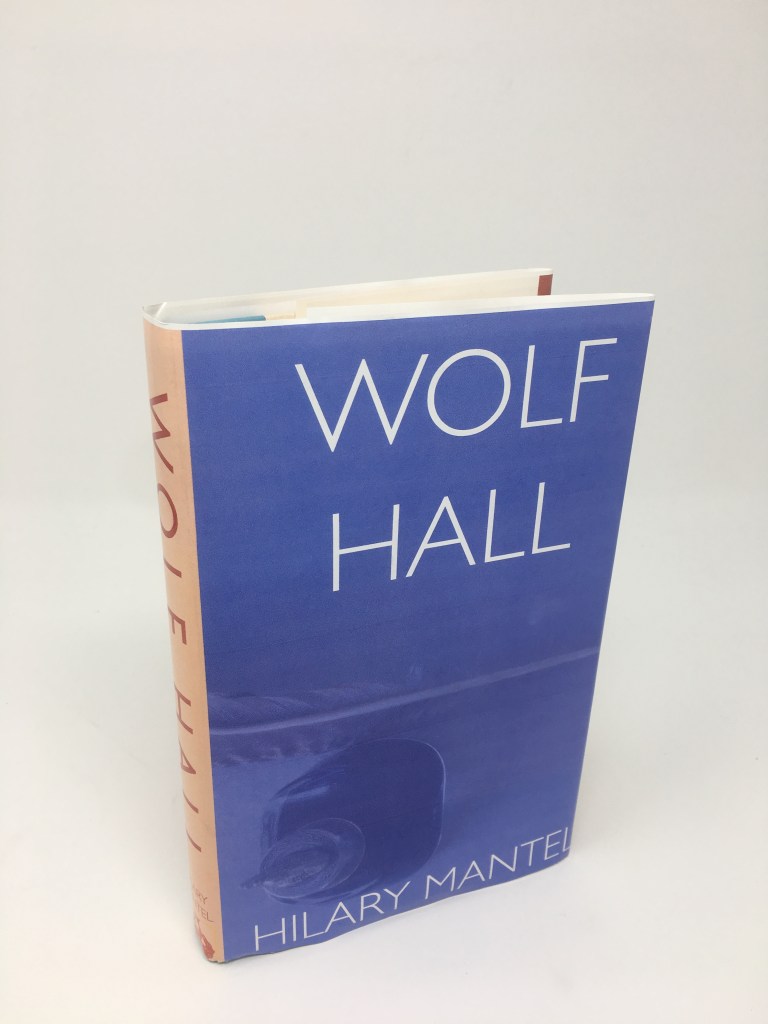
The pictures above show my book jacket project, for this project I designed for the book series by Hilary Mantel. The two book jackets I designed are part of a series, the first book being “Wolf Hall” and the second being “Bringing Up The Bodies”. I got my inspiration for the covers from the text. I really enjoyed designing these as a series, and I especially enjoyed the process of printing the jackets and folding them to fit the books.

Reaction to Peter Mendelsund’s NPR podcast interview

Peter Mendelsund talks about his creative process and what gives him inspiration for creating book jackets. By reading and annotating the text Peter tries to figure out the mood or the affect the book has on the reader, he tries to figure out a symbol that represents the text. Most of design is trial and error, and he designs the cover in an effort to capture how he was feeling when he was reading it and I think that’s what makes his designs so successful

Reaction to Chip Kidd’s TED talk:

I really enjoyed Chip Kidd’s TED talk, and his narration about how he designs book jackets. I find that his process starts by finding inspiration through imagery, text, and typography related to the theme of the book he is working on. I enjoyed all of his designs and his way of interpreting the theme of a book into imagery for the cover, all of his book jackets were very successful because they were new creative ideas.

Killing Your Darlings By Peter Terzian

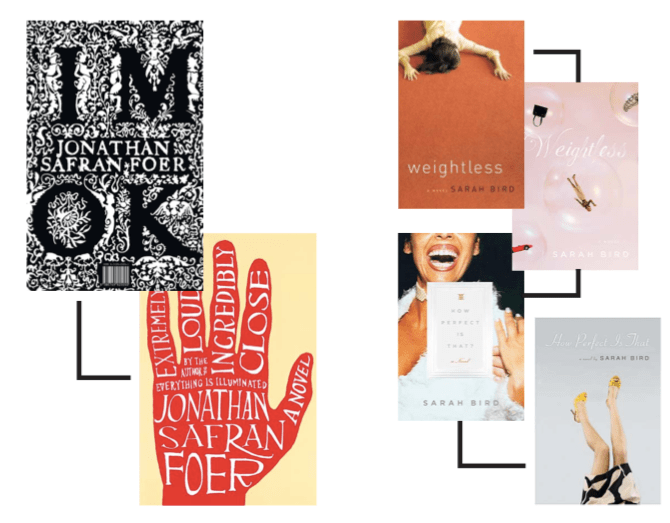
After reading this article from PRINT magazine I got a sense of what it is like to be a book jacket designer. It’s a hard task to please your client, and not every book jacket will be designed perfectly the first time around. There are many factors that go into creating a successful book jacket, it hats be a new and exciting design, related to the text one way or another, and it has to be eye-catching in order to sell. However, to create a successful book jacket sometimes you have to rethink your designs. Reading this article made me realize that as a designer its okay to rethink your idea, redesign it, or just start over. In my personal experience redesigns have been more successful and I’m always happier with the end product than I was with the original. Pictured below are examples of book jackets that have been redesigned.

My Environmental Graphic Design

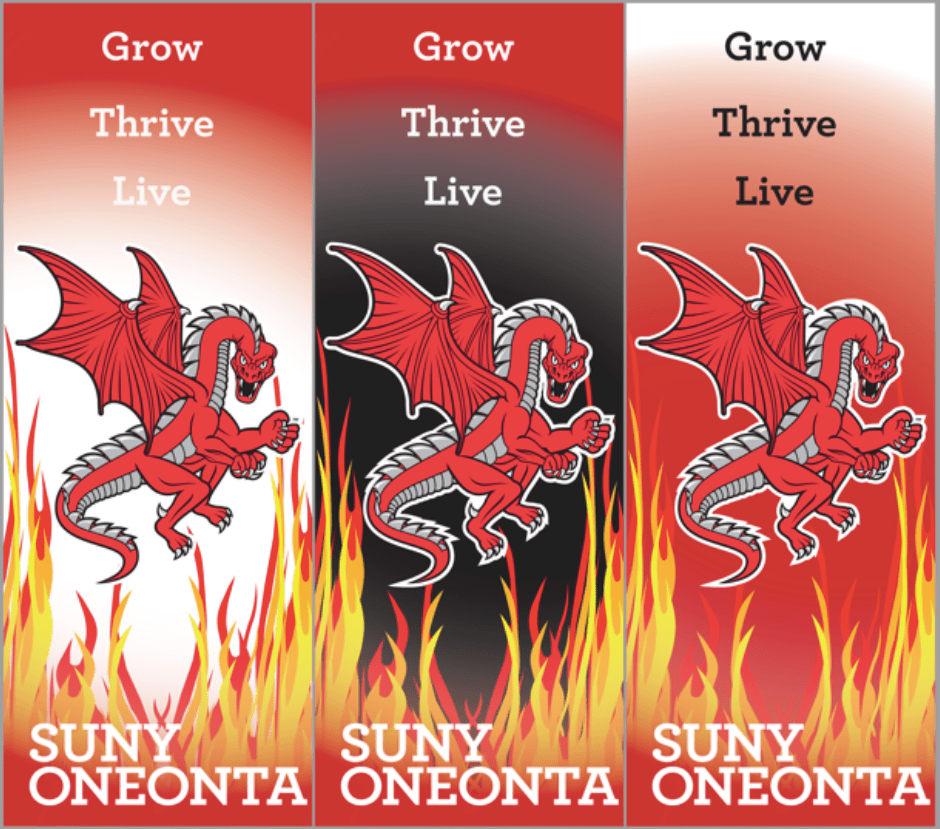
This design was intended for the the banners on the campus at SUNY Oneonta. For this design I wanted to stay on brand with the colors and imagery, I decided to use the dragon as the main focus of the banner because I feel that that part of the SUNY Oneonta brand is lacking around campus. This process took me awhile, I played with other fonts and images but in the end I decided that the red dragon image should be on the banner because it’s an important part of the brand that doesn’t seem to get enough attention. My concept for this design was to have a readable, attention grabbing, yet on brand banner.

Time Tracking Apps

In order to accurately track the amount of time I spend on each project I decided to get a time tracking app. Surprisingly it was somewhat difficult to find one that was free and easy to use. many of the apps I looked at had too many buttons and were confusing to use. I finally stumbled across the Simple Hours Tracker app, which allows you to take times for many different projects, its free and easy to use. this app as opposed to other ones has three main buttons one to title a new project, one to start a timer for that project and one to generate the total amount of time you have worked on that project. I will use this app to show the hours I work on project both inside and outside of class time.

The Daily Heller: Brooklyn Street Art

In this article Steven Heller discusses an interview he conducted with Alexander (Sasha) Brodsky an up-and-coming illustrator and printmaker based in Brooklyn, New York. His works of art and techniques used to create them are a combination of traditional and contemporary. Sasha’s work focuses on capturing and preserving characters and the environment they belong to, he is very good at capturing the essence of a person and the environment.

For more about Brodsky’s work click the following links: https://www.sasha-brodsky.com/illustration https://www.printmag.com/illustration/brooklyn-street-art/

Environmental Graphics

Environmental graphic design is a very intriguing field, it encompasses elements of industrial design, architecture, landscape design and graphic design. When creating environmental graphics must be concerned with ‘wayfinding’, or how people are orient themselves in a physical space and how they navigate from place to place. This has to be taken into consideration when designing environmental graphics because the design has to be suitable for the environment it’s placed in. Environmental design helps people understand where they are, and determine the purpose for their physical enviornment. Environmental graphics are vital for large areas because they help direct people to where they need to be. For more information regarding environmental graphic design click the following link!: https://inkbotdesign.com/environmental-graphic-design/